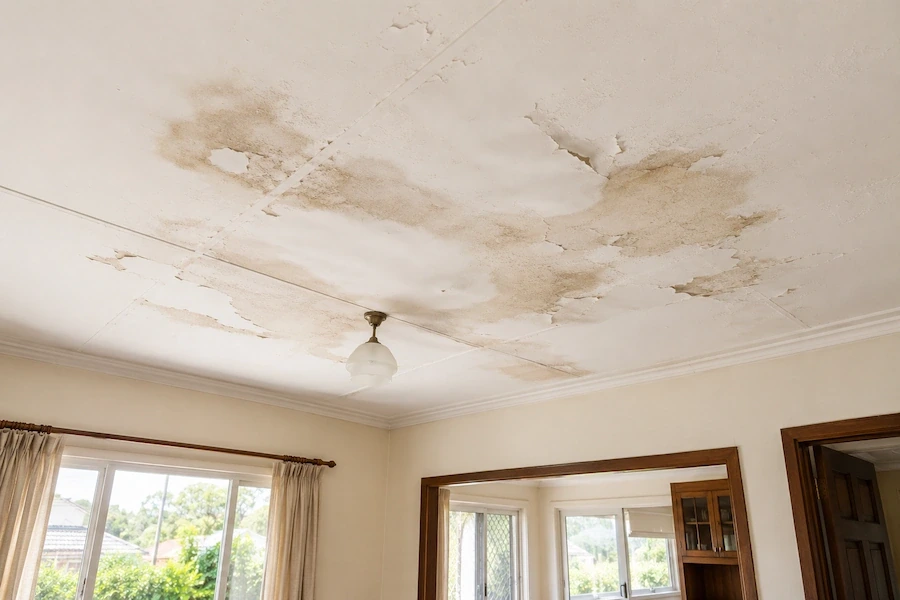
AI Overview
DIY asbestos ceiling removal can expose you and your family to serious health risks if asbestos fibres are released into the air. While removing an old ceiling may seem like a way to save money during a renovation, disturbing asbestos-containing materials requires careful planning, specialist handling and compliance with Australian regulations. Many older Australian homes […]
Key takeaways
- Asbestos ceiling removal can release hazardous fibres that are invisible to the naked eye.
- Many Australian homes built before the late 1980s may still contain asbestos building materials.
- Exposure to asbestos fibres has been linked to serious diseases that often develop decades later.
- DIY removal can contaminate other parts of the home if the work area is not properly controlled.
- Australian laws regulate how asbestos is removed, transported and disposed of.
- Replacing an old ceiling should only take place after asbestos has been managed safely.
On this page
DIY asbestos ceiling removal can expose you and your family to serious health risks if asbestos fibres are released into the air. While removing an old ceiling may seem like a way to save money during a renovation, disturbing asbestos-containing materials requires careful planning, specialist handling and compliance with Australian regulations.
Many older Australian homes still contain asbestos in ceiling products, particularly those built before the late 1980s. Understanding the risks before starting demolition can help you make informed decisions, protect your household and avoid costly mistakes. This guide explains why DIY removal is dangerous, what the law says, and why replacing an old ceiling should always begin with a safe approach.
Before You Start
- Asbestos ceiling removal can release hazardous fibres that are invisible to the naked eye.
- Many Australian homes built before the late 1980s may still contain asbestos building materials.
- Exposure to asbestos fibres has been linked to serious diseases that often develop decades later.
- DIY removal can contaminate other parts of the home if the work area is not properly controlled.
- Australian laws regulate how asbestos is removed, transported and disposed of.
- Replacing an old ceiling should only take place after asbestos has been managed safely.
Why Older Australian Homes May Have Asbestos Ceilings
Asbestos was once considered a reliable construction material because it was strong, fire resistant and provided good insulation. For many years it was used in residential building products across Australia, including roofing, wall linings and ceiling materials.
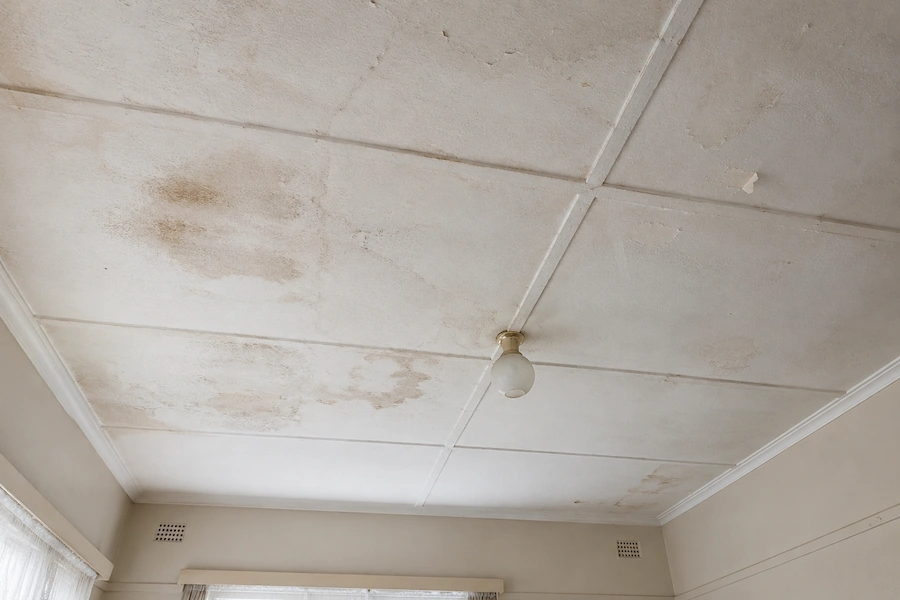
If your home was built before the late 1980s, there is a possibility it contains ceiling asbestos. This does not automatically mean the material is dangerous, but it does mean extra care should be taken before carrying out renovations or demolition work.
Many homeowners only discover an asbestos ceiling when repairing water damage, replacing cracked ceilings or renovating an older property. Since asbestos cannot be identified by appearance alone, professional assessment is the safest way to determine whether the material contains asbestos.
| Home Age | Likelihood Of Asbestos Being Present | Recommended Action |
|---|---|---|
| Built before the late 1980s | Higher likelihood | Arrange professional assessment before demolition. |
| Built after the late 1980s | Lower likelihood | Confirm building history if uncertain. |
| Recently renovated older home | Varies | Do not assume asbestos has already been removed. |
Why DIY Asbestos Ceiling Removal Is so Dangerous
The greatest risk during asbestos ceiling removal is not lifting heavy ceiling sheets. The real danger comes from disturbing asbestos-containing materials, which can release microscopic fibres into the surrounding air.
Unlike ordinary dust, asbestos fibres cannot be seen and may remain airborne long after work has finished. Once inhaled, they can become trapped deep inside the lungs where they may remain for decades.
Removing an asbestos ceiling board often involves pulling nails, loosening fixings and separating brittle materials. Even if the work appears careful, these activities can damage the material and increase the likelihood of fibre release.
Ceilings present an additional challenge because the work takes place overhead. As sheets are removed, dust naturally falls onto floors, furniture and other surfaces, increasing the chance of fibres spreading throughout the room.
Health Risks Linked to Asbestos Exposure
One reason asbestos ceiling removal is heavily regulated in Australia is the serious health effects associated with asbestos exposure. The fibres are extremely small and cannot be removed easily once they enter the lungs.
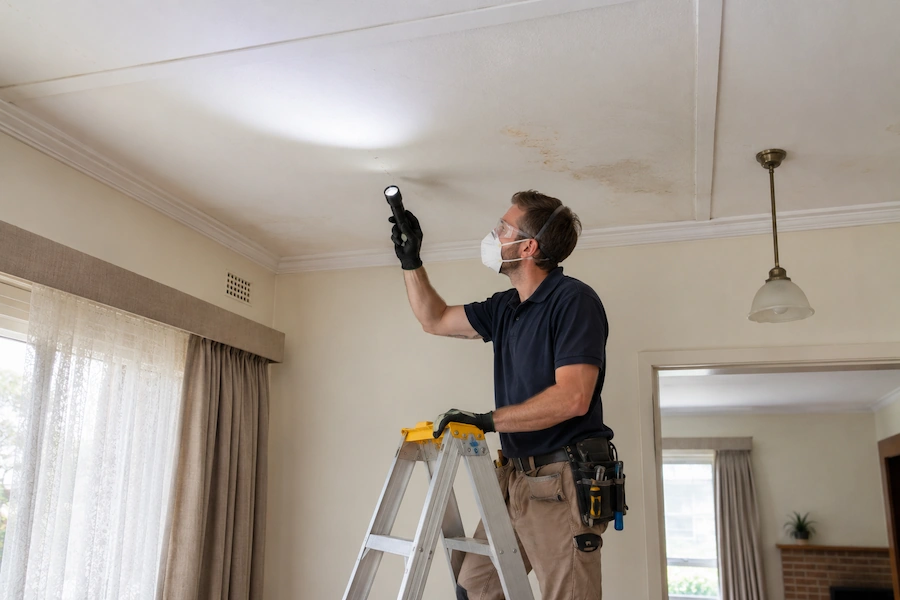
Many asbestos-related diseases take decades to develop, according to the Cancer Council of Australia. People may not realise they have been exposed until many years after the original renovation or demolition work.
| Health Condition | How It Affects The Body |
|---|---|
| Mesothelioma | A rare cancer affecting the lining of the lungs or abdomen. |
| Lung cancer | Can develop after prolonged or significant asbestos exposure. |
| Asbestosis | Scarring of lung tissue that affects breathing. |
| Other asbestos-related diseases | Can reduce lung function and impact long-term health. |
Australia has one of the highest rates of mesothelioma in the world because asbestos was widely used for many decades. Preventing exposure remains the most effective way to reduce future health risks.
If you’re unsure whether a ceiling material contains asbestos, professional ceiling asbestos testing should always be completed before demolition begins. Confirming the material first allows the project to be planned safely and helps avoid unnecessary exposure.
DIY Removal Can Contaminate Your Entire Home
Many homeowners assume the risks are limited to the room where the work is taking place. In reality, asbestos ceiling removal can affect much more than the ceiling itself if fibres are allowed to spread beyond the work area.
Once airborne, asbestos fibres can settle on household surfaces and remain there until they are removed using appropriate cleaning methods. Walking through contaminated areas or moving furniture can spread the fibres into other parts of the home without anyone noticing.
An older asbestos ceiling board that has become brittle through age or water damage is even more likely to release fibres when handled. This is one reason why deteriorating ceilings require extra caution before any repair or renovation work begins.
- Carpets and rugs
- Furniture and curtains
- Air-conditioning and ventilation systems
- Clothing and footwear
- Children’s toys and stored household items
Contamination does not only affect the person carrying out the work. Family members, visitors, pets and future tradespeople may also be exposed if fibres remain inside the property.
Why Professional Equipment Matters
Safe asbestos ceiling removal requires more than basic protective clothing and a disposable dust mask. Licensed asbestos removalists use specialised equipment and follow strict procedures designed to minimise the release of fibres throughout the project.
Every stage of the removal process is carefully controlled, from isolating the work area through to packaging and transporting asbestos waste. These measures are intended to protect both the occupants of the home and anyone working on the property.
Most DIY renovations do not include these safeguards, making it much easier for asbestos contamination to occur. Even small mistakes during demolition can significantly increase the risk of exposure.
| DIY Removal | Professional Removal |
|---|---|
| Limited protective equipment | Approved respiratory protection and disposable PPE |
| Little or no containment | Controlled work area with fibre containment measures |
| Household cleaning methods | HEPA-filtered cleaning equipment |
| General waste disposal knowledge | Approved packaging, transport and disposal procedures |
If you’re unsure whether a ceiling product contains asbestos, arranging ceiling asbestos testing before starting work provides certainty and allows appropriate safety measures to be put in place.
Australian Laws for Asbestos Ceiling Removal
Australia has strict laws governing asbestos ceiling removal because asbestos remains a significant health hazard. Anyone planning renovation work should understand that removing asbestos involves legal responsibilities as well as safety considerations.
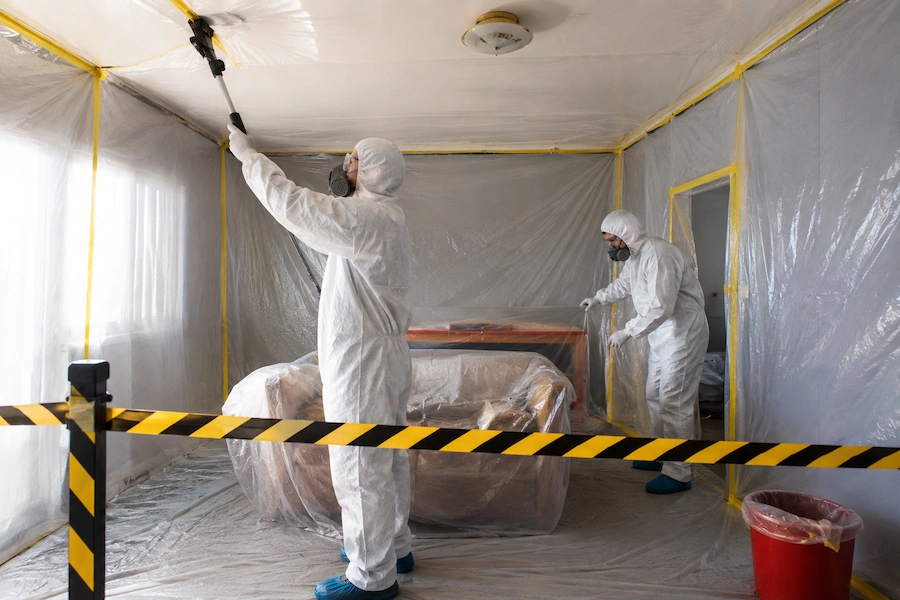
Although regulations differ slightly between states and territories, the overall objective is the same: reducing asbestos exposure and ensuring waste is managed safely from start to finish.
Friable asbestos must only be removed by a licensed asbestos removalist. Non-friable asbestos can only be removed without a licence under limited circumstances and within the quantity limits specified by the relevant state or territory regulator.
If your property contains an asbestos ceiling, understanding these legal requirements before beginning any work can help avoid unnecessary risks and ensure the project complies with Australian regulations.
Safe Disposal Is Just as Important as Safe Removal
The work does not end once asbestos ceiling removal has been completed. Asbestos waste must still be packaged, transported and disposed of correctly to prevent further exposure.
Improper disposal places waste handlers, the community and the environment at unnecessary risk. It can also result in significant clean-up costs and legal consequences.
Asbestos materials cannot be placed in household rubbish bins or mixed with general construction waste. They must be handled in accordance with Australian regulations and disposed of at approved facilities.
Older asbestos ceiling panels should always be treated as hazardous materials until they have been professionally assessed and disposed of using the correct procedures.
Why Professional Asbestos Ceiling Removal Is Worth It
Choosing professional asbestos ceiling removal is about protecting your health, your home and everyone who enters the property. While DIY removal may appear to reduce renovation costs, mistakes can result in contamination that is expensive and difficult to rectify.
Licensed asbestos removalists are trained to assess the condition of asbestos-containing materials, establish appropriate control measures and complete the removal process in accordance with Australian safety requirements. Their knowledge helps reduce the likelihood of fibres being released during the project.
Professional asbestos removal also provides confidence that asbestos waste has been managed correctly, allowing the next stage of the renovation to proceed safely.
Replacing the Ceiling Completes the Job
Once asbestos ceiling removal has been completed and the area has been declared safe, the next step is installing a new ceiling. Replacing ageing materials with modern plasterboard improves both the safety and appearance of the home.
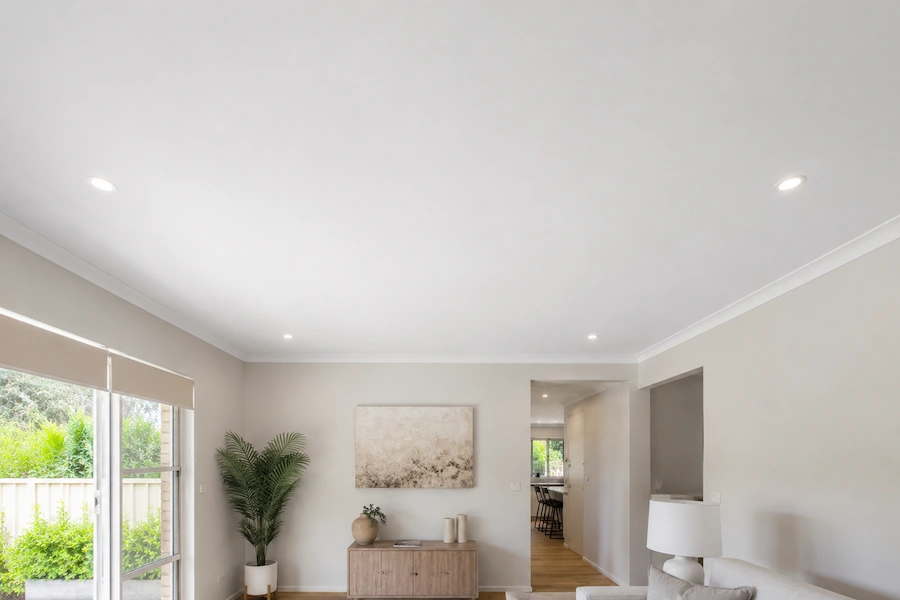
Installing a new ceiling also creates an opportunity to inspect the roof space, repair damaged framing if required and ensure the finished ceiling provides a smooth, long-lasting result.
Many homeowners choose to replace old asbestos ceiling panels during major renovations or after water damage because it removes outdated materials while giving the room a fresh finish.
What to Do if You Accidentally Damage an Asbestos Ceiling
Sometimes asbestos is only discovered after renovation work has already begun. If you accidentally damage suspected ceiling asbestos, acting quickly can help reduce the spread of fibres and limit further exposure.
The safest approach is to stop work immediately and avoid disturbing the material any further. Attempting to clean the area yourself may release additional fibres into the air.
- Stop work immediately.
- Keep people and pets away from the affected area.
- Do not sweep, brush or vacuum the debris.
- Close off the room where practical.
- Arrange for a licensed asbestos professional to inspect the material.
If the material has not been identified, professional assessment should be completed before any work resumes. This helps ensure the correct removal method is chosen and prevents unnecessary exposure.
Frequently Asked Questions
Is it legal to remove an asbestos ceiling yourself in Australia?
It depends on the type of asbestos and how much material is being removed. Australia has strict regulations governing asbestos removal, and friable asbestos must only be removed by a licensed asbestos removalist. Requirements also vary between states and territories, so it's important to understand your legal responsibilities before starting any work.
How can I tell if my ceiling contains asbestos?
You cannot reliably identify asbestos by appearance alone. If your home was built before the late 1980s, arranging professional ceiling asbestos testing before renovation or demolition is the safest way to determine whether asbestos is present.
Do all asbestos ceilings need to be removed?
No. Intact asbestos ceilings that remain in good condition may not require immediate removal. However, if the material is damaged, deteriorating or likely to be disturbed during renovations, professional advice should be sought.
What happens after asbestos ceiling removal?
After asbestos ceiling removal has been completed, the area is cleaned and prepared for a replacement ceiling. A modern plasterboard ceiling can then be installed to restore the room and remove the risks associated with ageing asbestos materials.
How much does asbestos ceiling removal and replacement cost?
The cost depends on factors such as the size of the ceiling, accessibility, the type of asbestos present and the amount of replacement work required. An on-site inspection is the best way to obtain an accurate quotation.
Protect Your Home and Your Health
DIY asbestos ceiling removal places your health, your family and your home at unnecessary risk. Disturbing asbestos-containing materials can release dangerous fibres that are impossible to see and difficult to remove once they spread throughout a property.
If you suspect your home contains an older asbestos ceiling, taking a cautious approach is always the safest decision. Confirming whether asbestos is present before starting renovations helps prevent exposure and ensures the work complies with Australian requirements.
If you’re replacing an older ceiling after licensed asbestos removal has been completed, Ceiling Repairs Perth provides ceiling replacement services that restores the safety and appearance of your home. Contact our team for honest advice and a free quote.
Ceiling Services That Can Help
If this sounds like your ceiling, here is how we can sort it.