AI Overview
A bowed ceiling should always be taken seriously because it may indicate anything from minor fixing failure to a more significant structural problem. While some ceilings can be repaired before major damage occurs, delaying an inspection may increase repair costs and, in severe cases, create a safety risk. This guide explains what causes a bowed […]
Key takeaways
- A bowed ceiling should be inspected as soon as possible.
- Water damage, ageing materials and roof movement are common causes.
- Not every ceiling requires replacement, but every case should be assessed.
- Early repairs are often less expensive than waiting until the damage worsens.
- A professional inspection identifies whether repair or replacement is the safest solution.
On this page
A bowed ceiling should always be taken seriously because it may indicate anything from minor fixing failure to a more significant structural problem. While some ceilings can be repaired before major damage occurs, delaying an inspection may increase repair costs and, in severe cases, create a safety risk.
This guide explains what causes a bowed ceiling, the warning signs to watch for, when repairs become urgent and the repair options available for Perth homeowners.
Key Takeaways
- A bowed ceiling should be inspected as soon as possible.
- Water damage, ageing materials and roof movement are common causes.
- Not every ceiling requires replacement, but every case should be assessed.
- Early repairs are often less expensive than waiting until the damage worsens.
- A professional inspection identifies whether repair or replacement is the safest solution.
What Is a Bowed Ceiling?
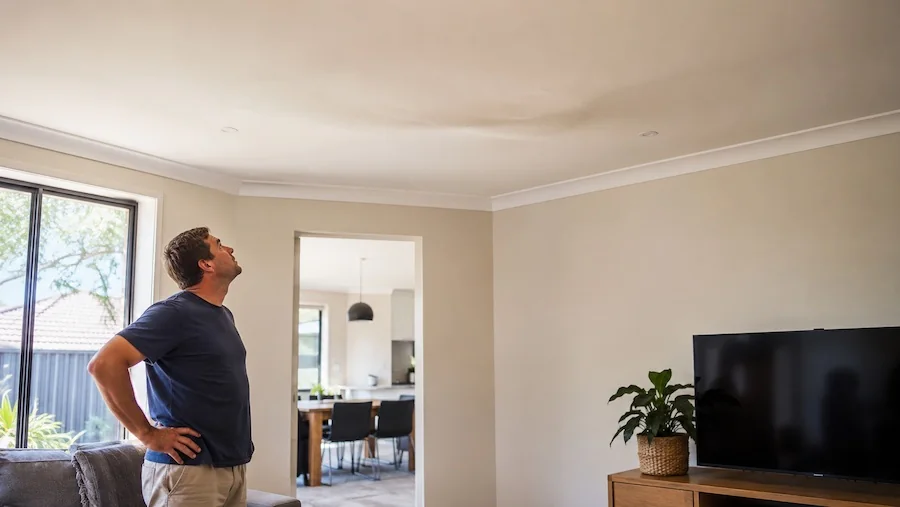
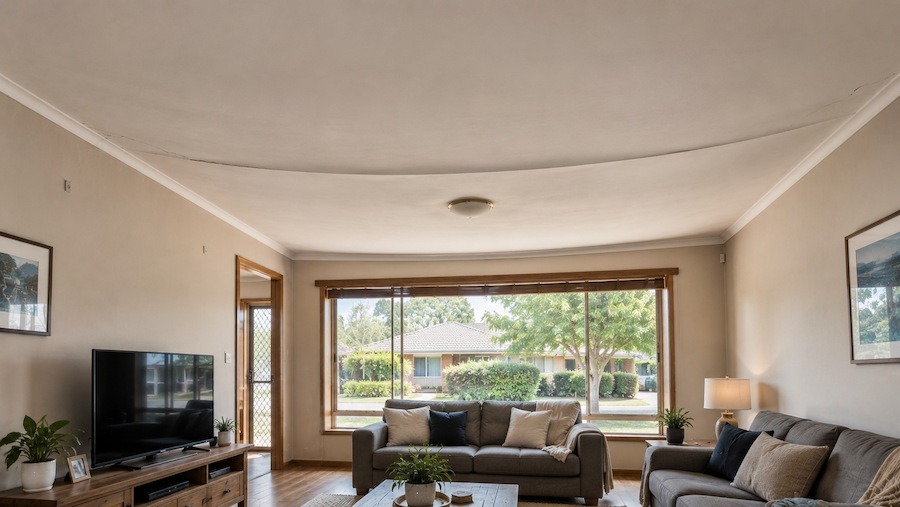
A bowed ceiling is a ceiling that has dropped or curved below its original level instead of remaining flat. The movement may be slight at first, making it difficult to notice until cracks or uneven sections begin to appear.
In many Australian homes, particularly older properties, this happens because the plasterboard, adhesive or ceiling fixings gradually lose their strength over time. Moisture, roof movement and poor installation can also contribute to the problem. Although some ceilings only develop a small amount of movement, others continue to worsen if the underlying cause is not addressed.
A ceiling bow does not automatically mean the entire ceiling has failed. Sometimes only one section has become loose, while the surrounding areas remain secure. The only way to determine the extent of the damage is through a thorough inspection.
What Are the Signs of a Bowed Ceiling?
Most ceilings provide warning signs before they become unsafe. Identifying these signs early gives homeowners the opportunity to repair the problem before larger sections of the ceiling are affected.
One of the first things people notice is a visible dip across the room. Depending on the lighting, the change may only be obvious when natural light shines across the ceiling. In other homes, the movement is immediately noticeable because the ceiling no longer appears level.
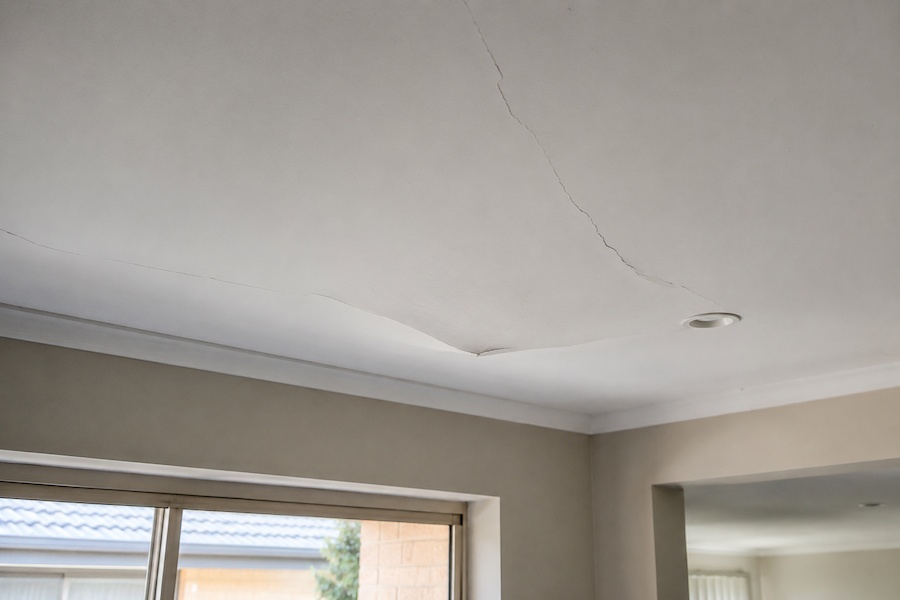
Another common indicator is bowed ceiling cracks developing where the ceiling meets the walls or around plasterboard joints. As the ceiling moves, stress is transferred to the surrounding plaster, causing cracks to appear or existing cracks to widen.
You may also notice a bow in ceiling when looking across the room from different angles. Cornices may begin separating from the walls, small gaps can develop around the edges of the ceiling and plasterboard joints may become more visible than before.
If any of these signs appear to be getting worse over time, the ceiling should be inspected as soon as possible to identify the cause.
What Causes a Bowed Ceiling?
There is rarely a single reason why a ceiling begins to move. In most cases, several contributing factors gradually weaken the ceiling until movement becomes visible.
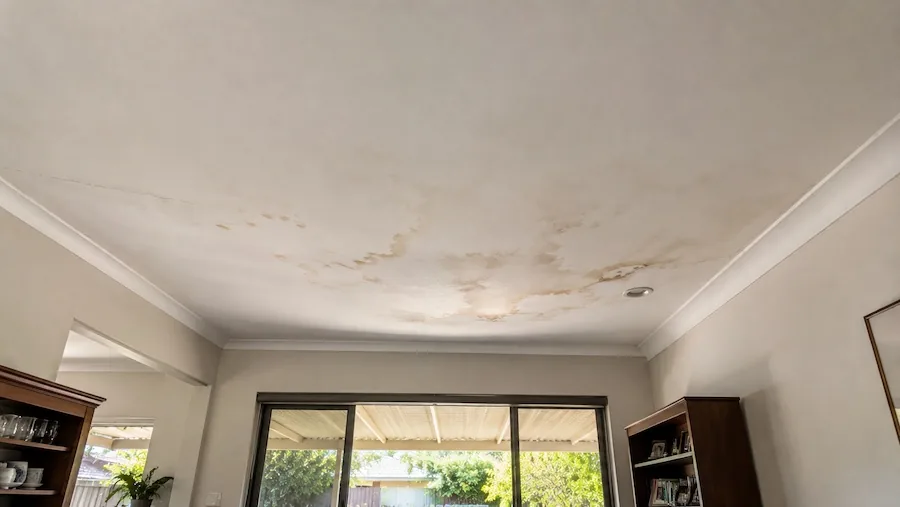
Water Damage
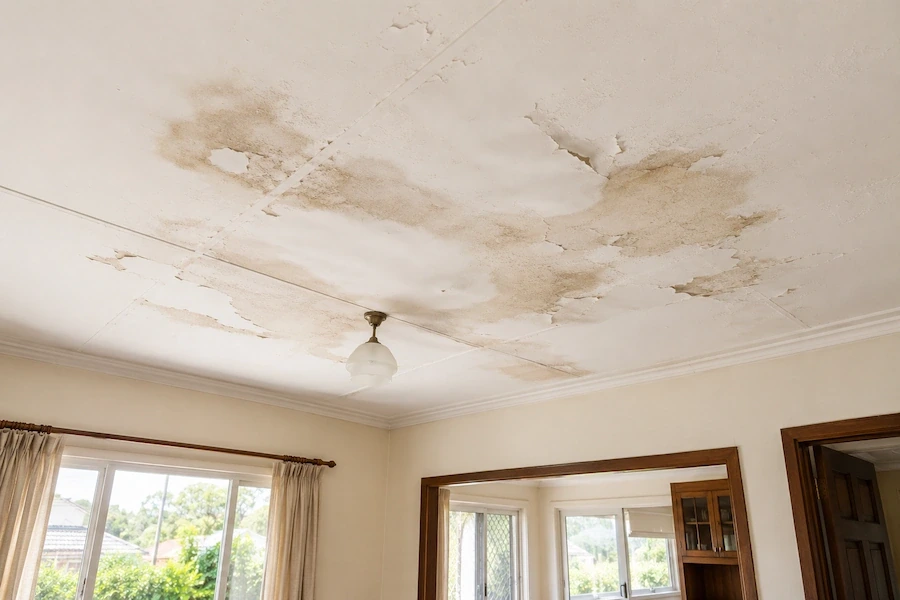
Water damage is one of the leading causes of ceiling problems in Australian homes. Roof leaks caused by damaged roof tiles, heavy storms or blocked gutters allow moisture to enter the roof cavity, where it weakens plasterboard and ceiling adhesive over time.
Even after a leak has been repaired, the plasterboard may already have lost much of its strength. Moisture can also lead to mould growth and deterioration of surrounding building materials if it remains undetected for long periods.
Condensation is another issue that should not be overlooked. Poorly ventilated roof spaces can trap moisture, particularly above bathrooms, laundries and kitchens, gradually affecting the ceiling lining.
Age and Material Failure
Building materials naturally deteriorate over time. Adhesives become brittle, screws and nails may loosen, and gravity places constant pressure on ceiling sheets year after year.
This gradual deterioration often explains why homeowners suddenly notice a bowing ceiling, even though the ceiling has looked perfectly normal for decades. Older Perth homes are particularly susceptible because many ceilings were installed using methods that differ from today’s standards.
Poor Installation
Some ceilings begin moving because they were not installed correctly.
Common installation issues include inadequate ceiling adhesive, incorrect screw spacing and insufficient mechanical fixings. If shortcuts were taken during construction or previous renovations, the ceiling may begin showing signs of movement much earlier than expected.
Australian Standards have changed over time, meaning older installation methods may no longer provide the level of support considered best practice today.
Structural Movement
Every home experiences some movement as materials expand and contract with seasonal temperature changes. Small amounts of movement are usually normal, but excessive movement can place additional stress on the ceiling.
Homeowners sometimes notice ceiling bowing together with cracks around windows, door frames or internal walls. These signs may indicate that movement within the roof structure or foundations is affecting the ceiling.
Not all structural movement is serious, but it should always be investigated before repairs begin to ensure the correct solution is applied.
Termite Damage
Although termites don’t usually attack plasterboard, they can damage the timber roof framing and ceiling joists that support it. With over 300 species of termites in Australia, termite infestation is a real problem for homeowners. As the timber weakens, the ceiling may begin to bow, sag or crack because it no longer has the support it needs.
This type of damage can be difficult to spot until visible signs appear inside the home. If you notice a bowed ceiling along with signs of termites, such as hollow-sounding timber, mud tubes or damaged roof framing, arrange both a termite inspection and a professional ceiling inspection. Fixing the structural cause before repairing the ceiling helps prevent the problem from returning.
Other Contributing Factors
Several other issues can also contribute to ceiling movement, including excessive weight stored in roof spaces and ongoing vibration from nearby traffic or heavy garage doors.
| Cause | Potential Effect On The Ceiling |
|---|---|
| Roof leaks | Weakens plasterboard and ceiling adhesive |
| Condensation | Gradual moisture damage over time |
| Ageing adhesive | Ceiling sheets begin separating from framing |
| Poor installation | Premature movement or loose ceiling sheets |
| Structural movement | Uneven ceiling and widening cracks |
Does a Bowed Ceiling Need Immediate Repair?
The answer depends on what has caused the movement and how severe it has become. A slight amount of movement may only require localised repairs, while widespread movement or separation should be treated as a priority.
If your ceiling is bowing, waiting rarely improves the situation. Gravity continues placing pressure on weakened fixings, allowing the movement to become more pronounced over time. The longer repairs are delayed, the more likely it is that additional sections of the ceiling will also become affected.
An inspection helps determine whether the problem is cosmetic, caused by ageing materials or related to a more significant issue within the roof structure. Early assessment often provides more repair options and may prevent the need for a full ceiling replacement.
Why Can a Bowed Ceiling Become Dangerous?
A bowed ceiling can become dangerous because plasterboard ceilings are much heavier than many homeowners realise. Along with the plasterboard itself, the ceiling supports insulation, electrical fittings and years of accumulated dust, all of which increase the load on the fixings.
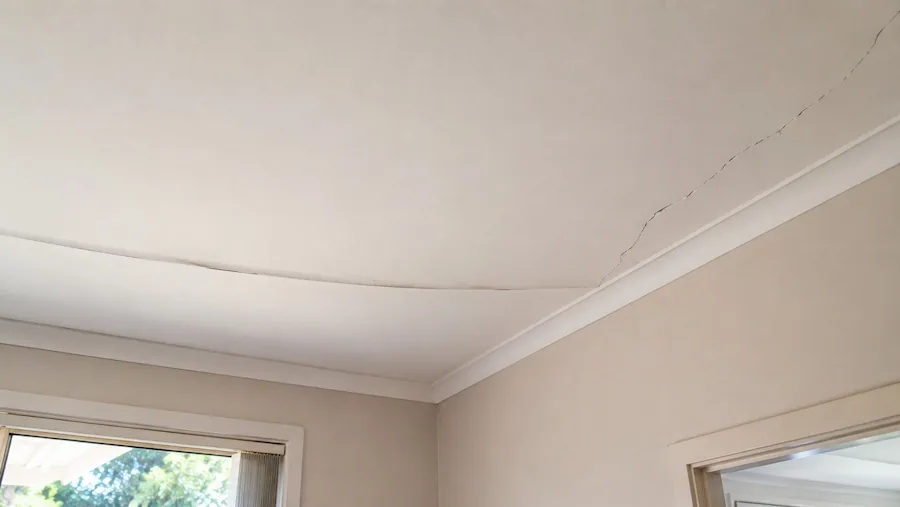
As adhesive or fasteners begin to fail, the remaining fixings carry more weight. This creates additional stress on the ceiling until more fixings loosen, increasing the likelihood of partial or complete collapse if the problem is left untreated.
A ceiling bowed due to failed fixings may continue to deteriorate without obvious warning. Some homeowners notice creaking sounds, widening cracks or increased movement before significant failure occurs, while others see very few warning signs.
Ignoring ceiling movement can result in damage to furniture, flooring and electrical fittings. More importantly, a collapsing ceiling presents a genuine safety risk for anyone inside the home.
When Is a Bowed Ceiling a Major Structural Defect?
Not every bowed ceiling is considered a major structural defect. The severity depends on what has caused the movement and whether the ceiling can continue supporting its own weight safely.
A ceiling is more likely to be classified as a major defect when structural components have been compromised or there is a genuine risk of collapse. Long-term water damage, damaged roof trusses or foundation movement can all contribute to more serious structural concerns.
| Condition | Likely Assessment |
|---|---|
| Minor cosmetic movement with stable framing | Usually repairable |
| Localised adhesive failure | Generally suitable for repair |
| Extensive water damage | May require replacement |
| Damaged roof framing or trusses | Major structural concern |
| High risk of ceiling collapse | Requires urgent attention |
Professional assessment is important because repairing only the visible damage will not solve the problem if structural movement or water damage continues above the ceiling.
When Is a Bowed Ceiling Only a Minor Defect?
Some ceiling movement is relatively minor and can often be repaired before more significant damage develops. This usually applies where the movement is localised and the ceiling framing remains structurally sound.
Examples include slight cosmetic movement, isolated adhesive failure, small plasterboard cracks or areas affected by previous minor water damage that has already been rectified. Although these situations are generally less serious, they should still be inspected because movement rarely improves on its own.
How Is a Bowed Ceiling Repaired?
The most suitable repair depends on the condition of the ceiling and the cause of the movement. An inspection allows the damaged area to be assessed so the safest long-term solution can be recommended.
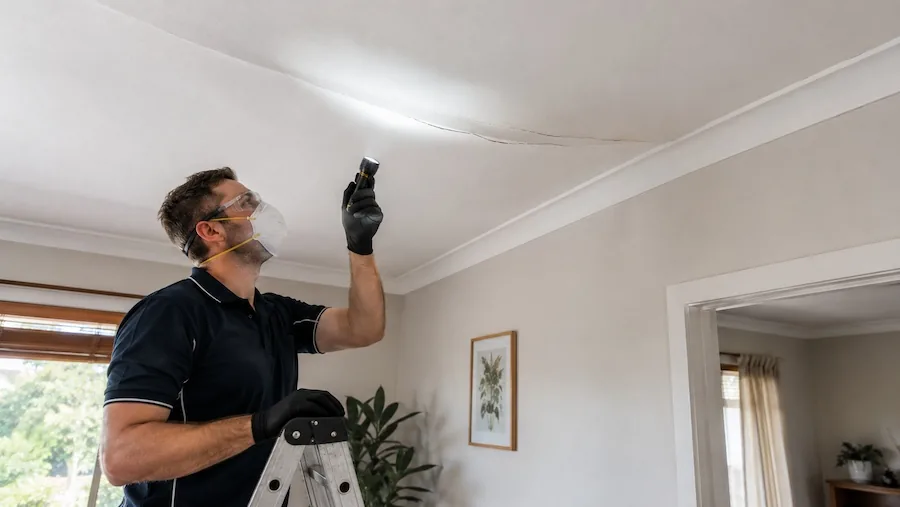
Where the ceiling remains structurally sound, a bowed ceiling repair may involve installing additional screws, replacing failed adhesive, securing loose plasterboard sheets and repairing cracks before repainting.
If the movement is more extensive, larger sections of plasterboard may need to be refixed while weakened framing is reinforced. Water damage or structural issues should always be addressed before repairing the ceiling so the problem does not return.
Replacement becomes the safest option when the plasterboard has permanently deformed, water damage is widespread or the ceiling can no longer be securely fixed to the existing structure. A replacement typically includes new plasterboard, replacement cornices where required and repairs to any damaged framing.
Can a New Ceiling Be Installed Below the Existing One?
In some homes, installing a new ceiling beneath the existing one may be an alternative to removing the original ceiling. Whether this option is appropriate depends on the condition of the existing structure and the available ceiling height.
This method can reduce demolition work and retain existing insulation, although the finished ceiling will sit slightly lower than before. It is generally considered that removing the original ceiling would be unnecessarily disruptive or impractical.
Why Acting Early Can Save You Money
A bowed ceiling does not repair itself. As time passes, weakened fixings continue carrying the weight of the ceiling, making further movement more likely.
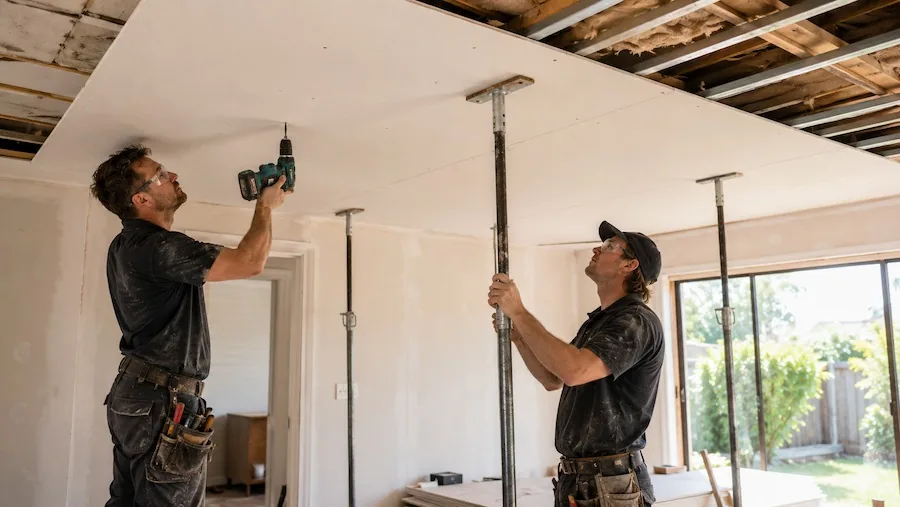
If you notice a bowing ceiling in the house, arranging an inspection early may help prevent more extensive repairs. Smaller problems are often less expensive to fix than ceilings that have continued deteriorating over many months.
Acting promptly can also reduce the likelihood of damage spreading to nearby ceiling sections, cornices and internal finishes, helping preserve the condition of the home.
How Can You Prevent a Bowed Ceiling?
Although not every ceiling problem can be prevented, regular maintenance can significantly reduce the likelihood of major repairs. Identifying small issues early is usually the best way to protect both your ceiling and the structure above it.
Homeowners should periodically inspect ceilings for new cracks, uneven sections and signs of movement. If changes appear over time, arranging an inspection before the damage worsens is always the safest approach.
Roof leaks should be repaired as soon as they are discovered because moisture is one of the most common causes of ceiling failure. Good roof space ventilation is also worthwhile, particularly above bathrooms, laundries and kitchens where condensation can build up.
Older Perth homes can also benefit from routine ceiling inspections. Ageing adhesives and fixings may gradually weaken over several decades, making preventative maintenance far more affordable than emergency repairs.
When Should You Call a Ceiling Repair Specialist?
It is not always possible to identify the cause of ceiling movement by looking from inside the room. Similar symptoms can be caused by water damage, ageing materials, structural movement or failed ceiling fixings.
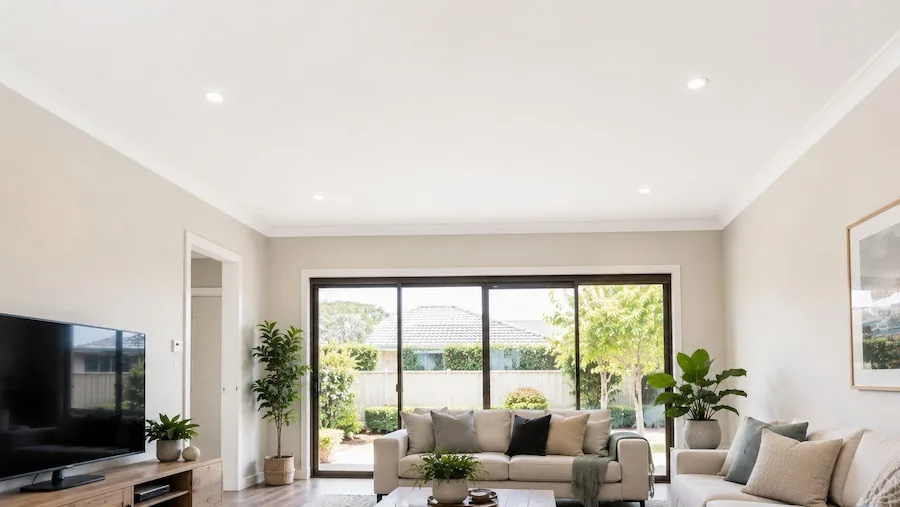
If your ceiling is bowing, a professional inspection can determine whether the movement is cosmetic or whether more significant repairs are required. Assessing the condition of the plasterboard, framing and roof space allows the underlying cause to be identified before repairs begin.
If new bowed ceiling cracks continue appearing or sections of the ceiling appear lower than before, delaying an inspection can allow the damage to spread. Understanding the cause early often provides more repair options and helps prevent unnecessary work.
Frequently Asked Questions
Can A Bowed Ceiling Collapse?
Yes. A bowed ceiling can collapse if the plasterboard, adhesive or ceiling fixings continue to fail. The level of risk depends on the underlying cause and the severity of the movement, which is why an inspection should not be delayed.
Can A Bowed Ceiling Be Repaired Without Replacing It?
In many cases, yes. If the plasterboard remains in good condition and the framing is structurally sound, repairs may be all that is required. More extensive damage or widespread water exposure may make replacement the safer option.
What Causes A Ceiling To Bow?
Common causes include roof leaks, ageing ceiling adhesive, poor installation, structural movement, condensation and termite damage. A professional inspection is the best way to determine which factor has caused the movement.
Is A Ceiling Bow A Safety Hazard?
A ceiling bow may become a safety hazard if the movement continues or if there is a risk of collapse. Even when the damage appears minor, it should be assessed to determine whether repairs are needed.
Does Home Insurance Cover Ceiling Repairs?
Insurance cover depends on the cause of the damage and the terms of your policy. Sudden insured events such as storm damage may be covered, while gradual deterioration caused by ageing or poor maintenance is often excluded. Check with your insurer for advice about your specific situation.
Early Repairs Matter
A bowed ceiling should never be ignored because it can indicate anything from localised fixing failure to more significant structural concerns. Water damage, ageing materials, poor installation and roof movement are among the most common causes, and early investigation usually provides the greatest opportunity for straightforward repairs.
Knowing the warning signs and understanding what causes ceiling movement allows homeowners to act before the damage becomes more extensive. Prompt inspections can improve safety, reduce repair costs and help determine whether repair or replacement is the most appropriate solution.
If you need a professional assessment, Ceiling Repairs Perth provides ceiling repair services across Perth. Our experienced team can inspect the ceiling, identify the underlying cause and recommend the most suitable solution based on your home’s condition.
Ceiling Services That Can Help
If this sounds like your ceiling, here is how we can sort it.