AI Overview
A leaking roof is the most common cause of ceiling water damage in Australian homes. Even a small roof leak can allow water to enter the ceiling cavity, soak insulation, weaken plasterboard, and slowly damage the structure above your head. Over time, this moisture can lead to sagging ceilings, mould growth, cracking plaster, and potentially […]
Key takeaways
- Roof leaks are one of the leading causes of ceiling damage in Perth homes
- Water can spread through insulation and ceiling cavities before visible damage appears
- Common signs include ceiling stains, sagging plaster, damp smells, and bubbling paint
- Ongoing moisture can lead to mould growth and structural ceiling damage
- Ceiling water damage can affect electrical wiring and create safety risks
- Early repairs are usually cheaper than full ceiling replacement
On this page
A leaking roof is the most common cause of ceiling water damage in Australian homes. Even a small roof leak can allow water to enter the ceiling cavity, soak insulation, weaken plasterboard, and slowly damage the structure above your head. Over time, this moisture can lead to sagging ceilings, mould growth, cracking plaster, and potentially dangerous ceiling collapse.
Many Perth homeowners do not notice ceiling damage until the problem becomes visible inside the home. By that stage, water may have already been spreading for weeks or even months. Acting early is one of the best ways to reduce repair costs and prevent further damage.
Key Takeaways
- Roof leaks are one of the leading causes of ceiling damage in Perth homes
- Water can spread through insulation and ceiling cavities before visible damage appears
- Common signs include ceiling stains, sagging plaster, damp smells, and bubbling paint
- Ongoing moisture can lead to mould growth and structural ceiling damage
- Ceiling water damage can affect electrical wiring and create safety risks
- Early repairs are usually cheaper than full ceiling replacement
- Older Perth homes are often more vulnerable to water damage ceiling issues
Common Signs of a Roof Leak
Roof leaks rarely appear all at once. In many cases, the warning signs develop gradually over time. Recognising the early signs of ceiling damage can help prevent the problem from becoming far more serious and expensive.
Ceiling Water Stains
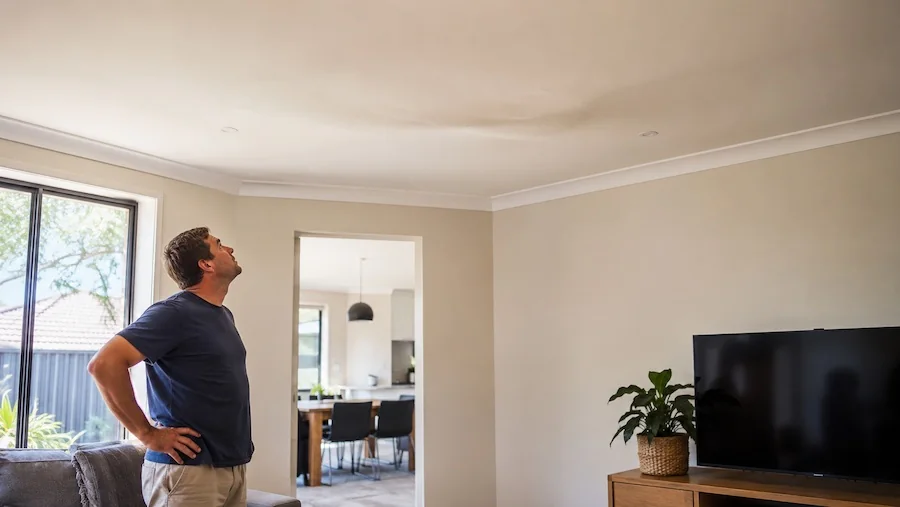
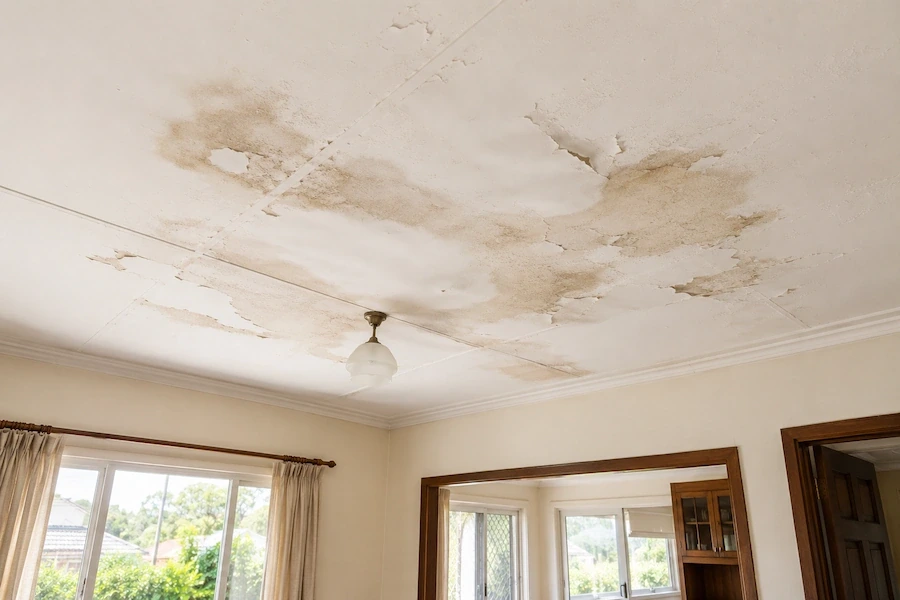
Brown, yellow, or dark stains on the ceiling are one of the most common signs we’ve seen of ceiling water damage. These stains usually appear after rain and often indicate that moisture has already entered the roof cavity.
In many Perth homes, homeowners first notice a small discoloured patch that slowly grows larger over time. By the time these stains become visible, water may have already caused significant ceiling damage behind the surface.
Bubbling Paint and Swollen Plaster
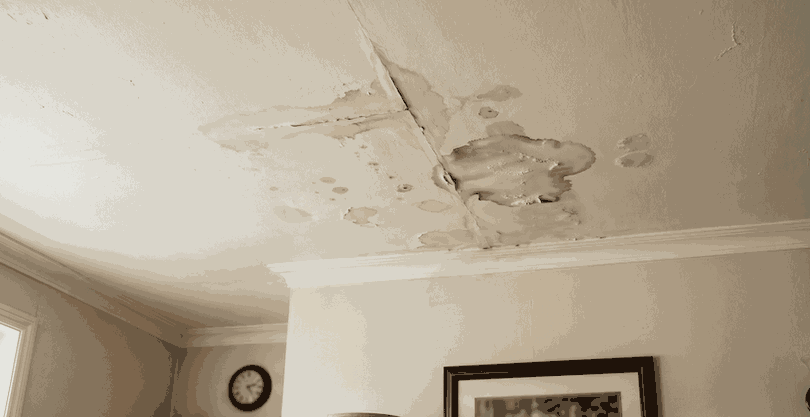
When water enters plasterboard ceilings, the moisture weakens the materials from the inside. This often causes paint to bubble, peel, or lift away from the surface.
You may also notice soft plaster, swollen ceiling sheeting, small cracks, sagging sections, and uneven ceiling surfaces. This type of water damage on the ceiling is common in homes with slow roof leaks that have gone unnoticed for extended periods.
Damp or Musty Smells
A persistent damp smell inside the home is another common warning sign of hidden roof leaks.
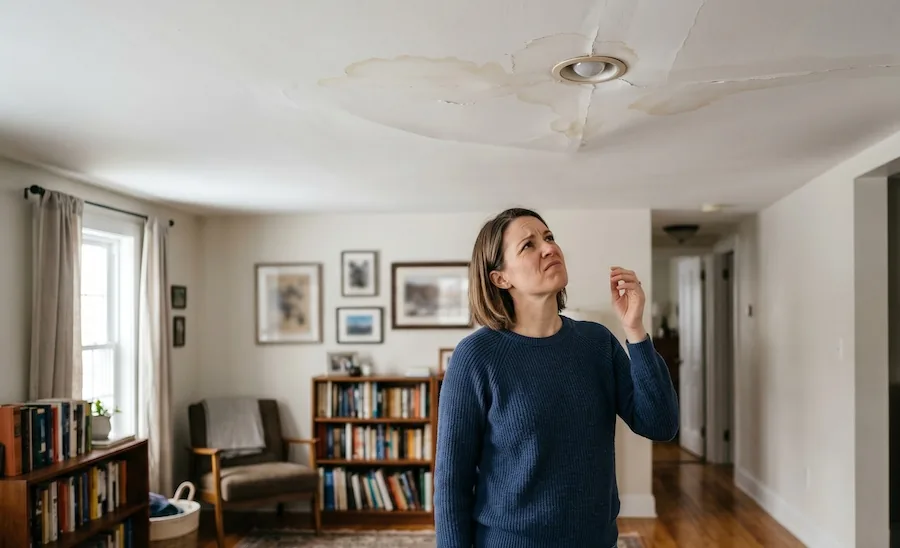
When moisture becomes trapped inside the roof cavity, mould and mildew can begin forming in insulation, timber framing, and ceiling materials. Even if you cannot yet see visible water damage on ceiling surfaces, the smell often indicates moisture is already present above the ceiling.
Sagging Ceilings
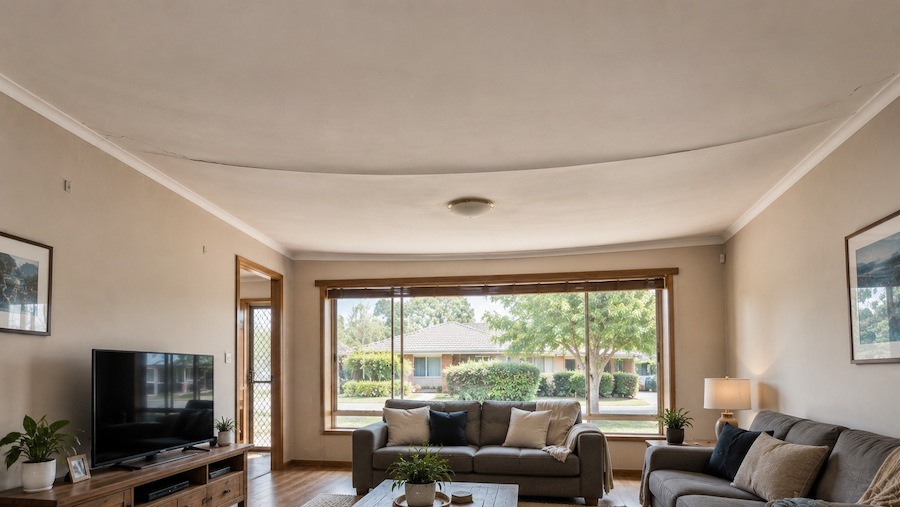
A sagging ceiling is a serious safety warning sign that should be inspected immediately.
As water continues soaking into plasterboard or plasterglass ceilings, the materials become heavier and weaker over time. Wet insulation sitting above the ceiling can also add significant extra weight, placing stress on ceiling fixings and structural supports.
Roof Damage After Storms
Perth storms and heavy rainfall can quickly expose weaknesses in ageing roofs.
Roof leaks commonly develop after broken roof tiles, rusted metal roofing, damaged flashing, blocked gutters, overflowing downpipes, and strong winds. Even minor roofing damage can allow water to slowly enter the home and cause ongoing ceiling water damage over time.
How Roof Leaks Cause Ceiling Damage
We regularly inspect Perth ceilings where the visible water stain is several metres away from the actual roof leak. Water often travels along the timber framing and insulation before it finally appears inside the home.
Moisture Weakens Ceiling Materials
Plasterboard ceilings are highly vulnerable to moisture exposure. As water builds up inside the materials, the ceiling gradually loses strength and stability.
Over time, this can lead to cracking, bubbling paint, soft spots, ceiling movement, sagging plaster, and surface staining. Older plaster-glass ceilings are even more susceptible to moisture-related ceiling damage because the materials become brittle and unstable when wet.
Wet Insulation Adds Weight
One of the most overlooked causes of serious ceiling damage is wet insulation sitting above the ceiling.
Once insulation absorbs water from a leaking roof, it becomes significantly heavier. This extra weight places constant pressure on the ceiling underneath, especially on older plasterboard and plasterglass ceilings commonly found in Perth homes.
| Roof Leak Issue | Potential Ceiling Damage |
|---|---|
| Wet insulation | Sagging ceilings and weakened fixings |
| Ongoing moisture | Cracking plaster and ceiling movement |
| Hidden leaks | Structural deterioration |
| Poor ventilation | Mould growth and dampness |
Structural Damage Caused by Roof Leaks
Roof leaks do not just affect the ceiling surface. Long-term water exposure can gradually weaken the structural components above the ceiling as well. In severe cases, ongoing moisture can compromise the integrity of roof framing and supporting structures throughout the home.
Timber Rot and Framing Damage
Timber roof framing is highly vulnerable to ongoing moisture exposure.
When water enters the roof cavity repeatedly, timber beams and supports can begin absorbing moisture and deteriorating over time. This may lead to timber rot, warped framing, weakened battens, and structural instability.
Why Older Perth Homes Are More Vulnerable
Older Perth homes are often more susceptible to water damage ceiling problems because many properties contain ageing roof materials and plaster-glass ceilings. Over time, roofing materials naturally weaken due to age, heat, storms, and seasonal weather exposure. Once moisture enters older ceiling systems, the materials can deteriorate rapidly.
Mould and Dampness Problems
Roof leaks create ideal conditions for mould and dampness inside the home. With moist conditions, mould can begin growing surprisingly quickly, especially during Perth’s cooler and wetter months.
How Roof Leaks Create Mould
Mould thrives in dark, damp environments with poor airflow.
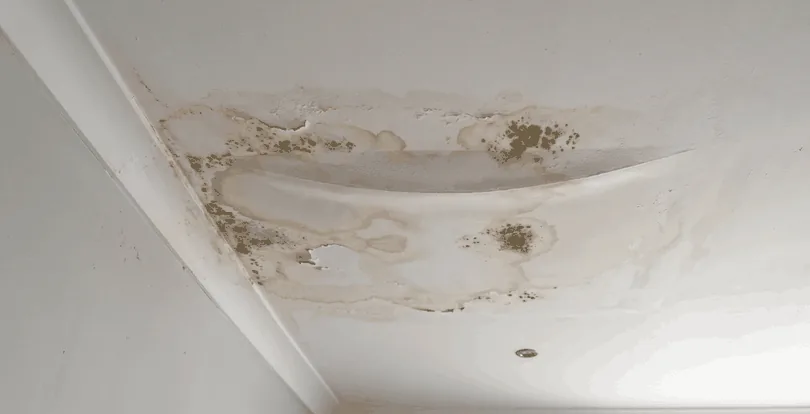
Roof cavities affected by moisture provide ideal conditions for mould growth, particularly when insulation and timber framing remain wet for extended periods. Even a relatively small roof leak can eventually lead to widespread mould problems if the moisture is not properly addressed.
Health Risks From Damp Conditions
Mould and dampness inside the home can contribute to poor indoor air quality and potential health concerns. According to the Department of Health of Western Australia, mould is considered an indoor pollutant that can cause adverse health issues through continued exposure. Some homeowners may experience respiratory irritation, allergies, asthma flare-ups, sinus irritation, and persistent musty smells. Young children, elderly occupants, and people with respiratory conditions are often more sensitive to mould exposure.
Electrical Safety Risks
Roof leaks can become far more dangerous when water reaches electrical systems inside the ceiling cavity. As moisture spreads through insulation and plasterboard, it may come into contact with ceiling lights, electrical wiring, ceiling fans, smoke alarms, exhaust fans, and nearby power circuits.
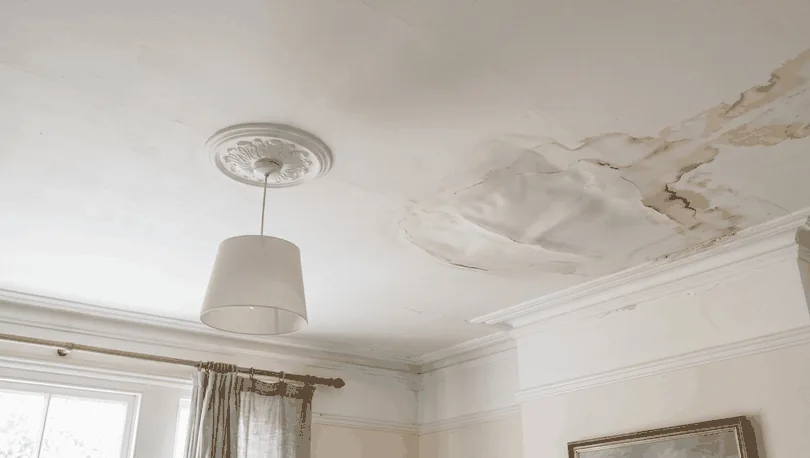
Ceiling water damage around electrical systems increases the risk of:
- Electrical faults
- Short circuits
- Flickering lights
- Damaged power circuits
- Ceiling fan failures
- Power outages
- Fire hazards caused by compromised wiring
In some cases, homeowners first notice the problem when lights begin flickering during rain, safety switches repeatedly trip, or water starts dripping through light fittings. Older Perth homes can be especially vulnerable because ageing wiring, older ceiling materials, and deteriorated roof structures may already be weakened before the roof leak develops. Once moisture enters the ceiling cavity, the combination of water and electrical systems can quickly become a serious safety issue.
If you notice water damage on ceiling areas near electrical fixtures, avoid touching affected fittings or attempting DIY repairs. Active leaks around electrical systems should be inspected immediately to reduce the risk of injury or electrical damage.
Frequently Asked Questions
Can a small roof leak cause serious ceiling damage?
Yes. Even a small roof leak can eventually cause serious ceiling damage if moisture continues spreading through insulation, plasterboard, and timber framing over time.
What are the signs of water damage on ceiling surfaces?
Common signs include brown stains, bubbling paint, sagging plaster, damp smells, cracking, and soft ceiling areas.
Is ceiling water damage dangerous?
It can be. Severe ceiling damage may increase the risk of mould growth, electrical hazards, and ceiling collapse if left untreated.
How quickly can mould develop after a roof leak?
Mould can begin forming within days when moisture remains trapped inside ceiling cavities or insulation, especially during cooler and wetter conditions.
Do older Perth homes face a higher risk of ceiling damage?
Yes. Older homes often contain ageing roofing materials and plasterglass ceilings that are more vulnerable to moisture-related deterioration.
Can wet insulation make ceiling damage worse?
Yes. Wet insulation becomes heavier, placing additional pressure on ceiling fixings and increasing the risk of sagging ceilings.
How do professionals assess water damage ceiling problems?
Inspections usually involve checking roof cavities, insulation, ceiling materials, moisture levels, and structural supports to determine the extent of the damage.
Act Immediately on Ceiling Water Damage
Ceiling water damage can quickly become a serious problem if roof leaks are left untreated. Moisture can spread through insulation, plasterboard, timber framing, and electrical systems long before major warning signs appear inside the home.
Water stains, sagging ceilings, bubbling paint, and damp smells should never be ignored. Ongoing ceiling damage can lead to mould growth, weakened structural supports, electrical hazards, and even ceiling collapse if moisture continues spreading through the roof cavity.
If you have noticed signs of water damage on ceiling surfaces or roof leak issues, Ceiling Repairs Perth provides inspections, water damage ceiling repair services, and long-lasting ceiling repairs across Perth. Contact us today.
Ceiling Services That Can Help
If this sounds like your ceiling, here is how we can sort it.