AI Overview
Most ceiling cracks in Australian homes are cosmetic and develop as a result of normal building movement, ageing materials, or settlement. However, some ceiling cracks can indicate more serious issues such as water damage, failing ceiling materials, or movement affecting the structure of the home. A small ceiling crack may be nothing more than a […]
Key takeaways
- Most ceiling cracks are cosmetic and result from normal building movement, settlement, or ageing materials.
- A hairline crack in ceiling surfaces is often low risk if it remains stable.
- Water damage is one of the most common causes of serious ceiling deterioration.
- Cracks that continue to grow, return after repair, or appear alongside sagging require closer attention.
- A bowed ceiling crack should never be ignored.
- Effective ceiling crack repair should address the underlying cause rather than simply covering the visible damage.
On this page
Most ceiling cracks in Australian homes are cosmetic and develop as a result of normal building movement, ageing materials, or settlement. However, some ceiling cracks can indicate more serious issues such as water damage, failing ceiling materials, or movement affecting the structure of the home.
A small ceiling crack may be nothing more than a maintenance issue, while a widening crack in ceiling plaster, a recurring crack, or a bowed ceiling crack can signal a problem that requires further investigation. Understanding the difference can help you determine whether a simple repair is sufficient or whether the underlying cause needs to be addressed.
Key Takeaways
- Most ceiling cracks are cosmetic and result from normal building movement, settlement, or ageing materials.
- A hairline crack in ceiling surfaces is often low risk if it remains stable.
- Water damage is one of the most common causes of serious ceiling deterioration.
- Cracks that continue to grow, return after repair, or appear alongside sagging require closer attention.
- A bowed ceiling crack should never be ignored.
- Effective ceiling crack repair should address the underlying cause rather than simply covering the visible damage.
What Causes Ceiling Cracks in Australian Homes?
Ceilings are constantly exposed to movement and environmental changes throughout their lifespan. Even well-built homes experience small amounts of movement as materials expand, contract, and settle over time.
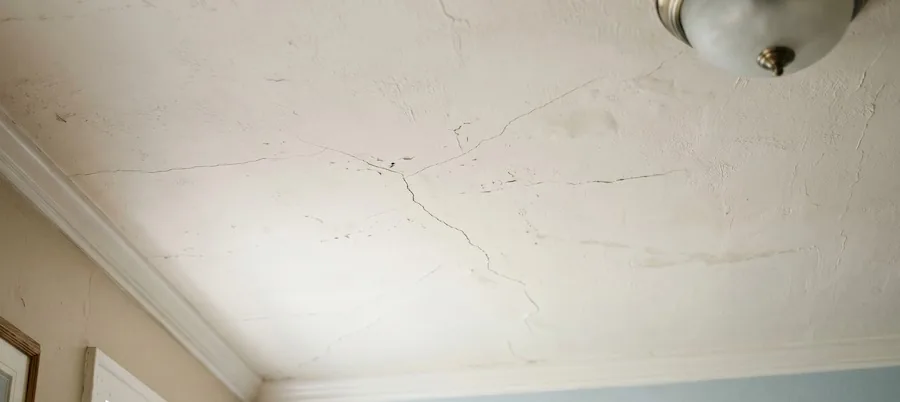
This is why finding a crack in ceiling surfaces does not automatically mean there is a structural problem. In many cases, the crack is simply a visible sign of normal ageing or movement.
The most common causes of ceiling cracks in Australian homes include:
- Seasonal expansion and contraction of building materials.
- Natural settlement after construction.
- Ageing plasterboard and plaster ceilings.
- Shrinkage of finishing compounds.
- Roof leaks and plumbing leaks.
- Long-term moisture exposure.
- Deterioration of ceiling materials and fixings.
Australia’s climate can contribute significantly to ceiling movement. Temperature changes, humidity fluctuations, and periods of heavy rainfall all affect how building materials behave over time. As materials expand and contract, stress can develop within the ceiling surface, eventually resulting in visible cracking.
Older homes are particularly susceptible because plaster, plasterboard, joint compounds, and fixings naturally deteriorate with age. While these cracks are often cosmetic, identifying the cause remains important because not all ceiling cracks require the same repair approach.
Common Cosmetic Ceiling Cracks
Many ceiling cracks are cosmetic and do not affect the safety or structural integrity of the home. These cracks are often caused by normal movement and tend to remain stable once they develop.
The table below provides a general guide.
| Type of Ceiling Crack | Usually Cosmetic? | Requires Investigation? |
|---|---|---|
| Hairline crack in ceiling | Yes | Rarely |
| Plasterboard joint crack | Usually | Sometimes |
| Settlement crack | Usually | If growing |
| Recurring crack | No | Yes |
| Water-damaged crack | No | Yes |
| Bowed ceiling crack | No | Yes |
Hairline Ceiling Cracks
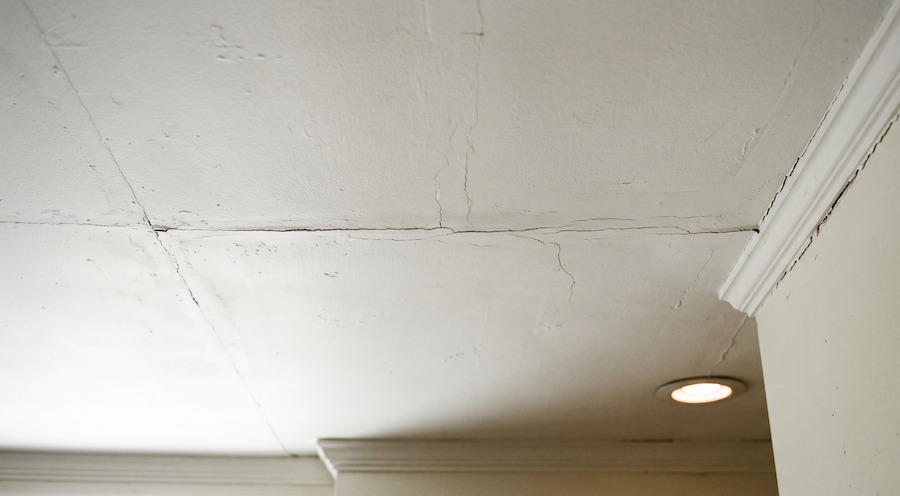
A hairline crack in ceiling surfaces is one of the most common defects found in Australian homes. These cracks are typically narrow, shallow, and confined to the surface finish.
They often develop because of minor movement within the building or natural ageing of materials. In most cases, they remain stable and do not indicate a serious problem.
Plasterboard Joint Cracks
Plasterboard ceilings are constructed using multiple sheets joined together with tape and joint compound. Over time, movement and ageing can place stress on these joints, causing visible cracking.
These cracks usually appear as straight lines that follow the original plasterboard joins. While they can be unsightly, they are often cosmetic if they remain stable.
Settlement Cracks
As homes settle after construction, small amounts of movement can occur throughout the structure. This movement may create minor ceiling cracks, particularly in newer homes.
Settlement cracks are generally small and localised. If they do not continue growing, they are usually considered cosmetic rather than structural.
Although cosmetic cracks are rarely serious, they can still affect the appearance of a room. Professional ceiling crack repair can restore a smooth finish and prevent the damage from becoming more noticeable over time.
Ceiling Cracks That May Indicate a More Serious Problem
While many ceiling cracks are harmless, according to the Government of Western Australia, others can indicate ongoing stress on the ceiling. The key factor to observe is whether the crack remains stable or continues to change over time.
Large or Widening Cracks
A ceiling crack that becomes progressively wider or longer deserves attention. Ongoing movement can place increasing stress on ceiling materials and may indicate that the underlying cause is still active.
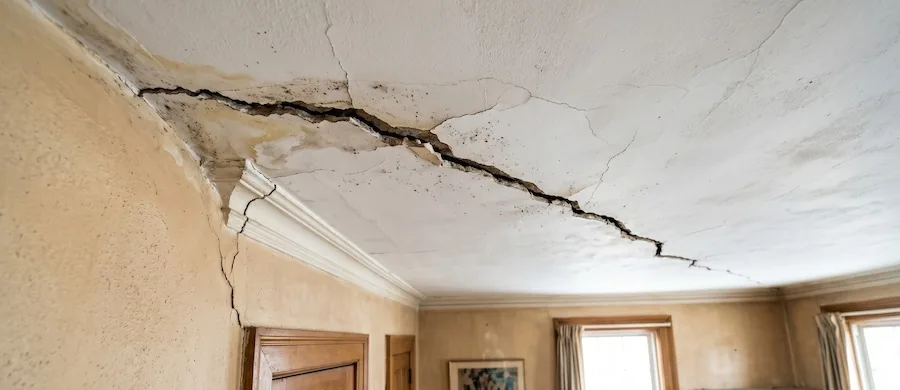
A widening crack is generally more concerning than a small crack that remains unchanged for years.
Long, Irregular, or Diagonal Cracks
Cracks that extend across large sections of a room or follow unusual patterns can indicate greater stress within the ceiling system.
While not every irregular crack is a structural issue, these patterns warrant closer examination, particularly if they continue to grow or appear alongside other warning signs.
Recurring Cracks
One of the clearest signs that an issue remains unresolved is when a crack reappears after repair.
In many cases, the visible crack has been patched while the underlying cause remains. Continued movement, moisture damage, or deteriorating ceiling materials can all cause cracks to return after repairs have been completed.
Water Damage and Ceiling Cracks
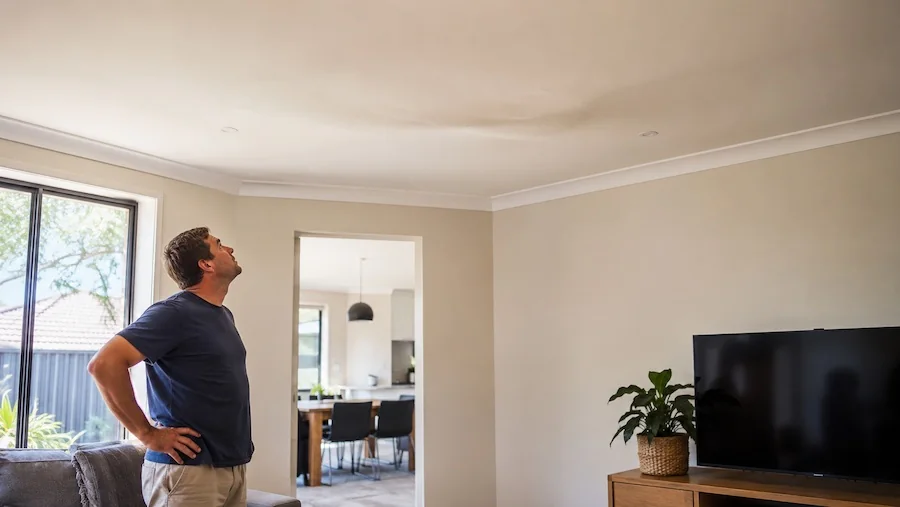
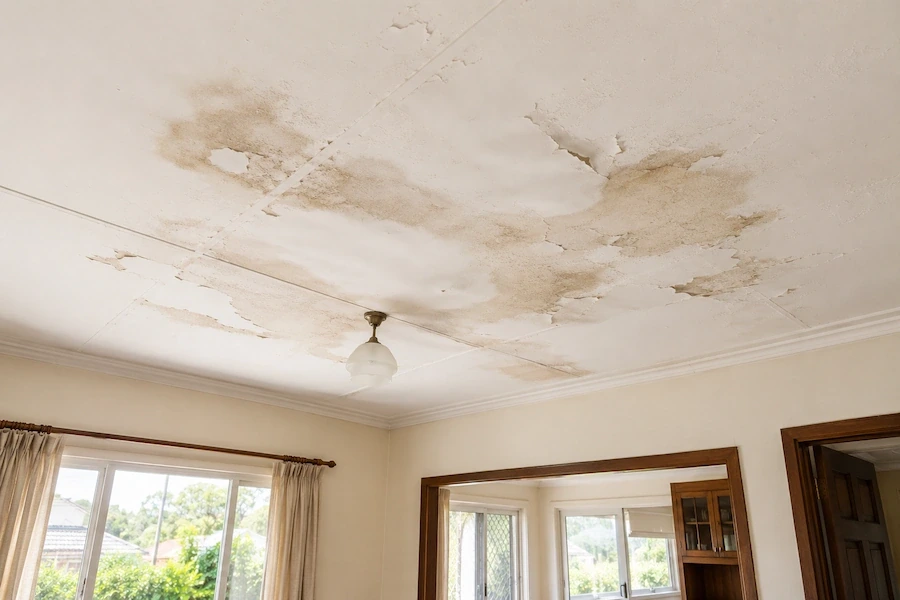
Water damage is one of the most common causes of serious ceiling problems in Australian homes. Unlike cosmetic cracks caused by normal movement, moisture-related damage can weaken ceiling materials and continue deteriorating if the source of the water is not addressed.
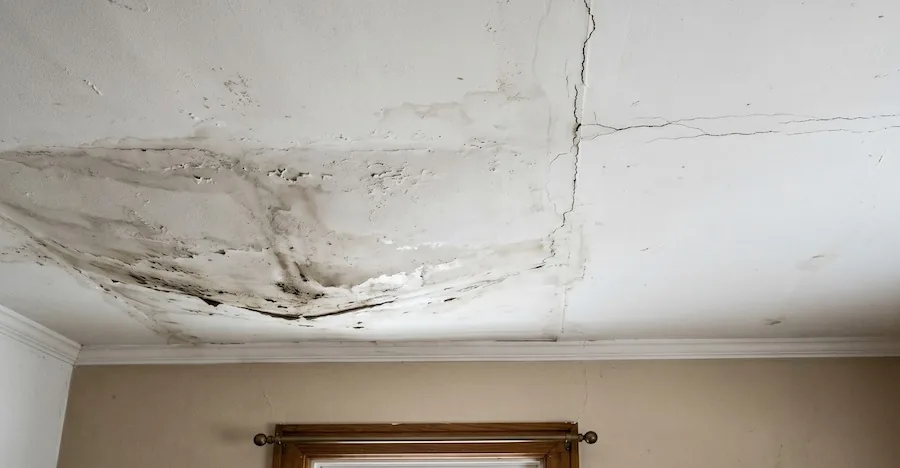
Water can enter the ceiling cavity through roof leaks, damaged flashing, blocked gutters, leaking pipes, bathroom waterproofing failures, and other plumbing issues. Once moisture reaches plasterboard or plaster ceilings, the materials begin to lose strength.
As ceiling materials absorb water, they can swell, soften, and crack. Over time, this deterioration may lead to more extensive damage, including sagging and material failure.
Common signs of moisture-related ceiling damage include:
- Brown or yellow staining.
- Bubbling or peeling paint.
- Damp patches.
- Soft plasterboard.
- Swollen ceiling materials.
- Mould or mildew growth.
A crack in the ceiling plaster accompanied by any of these symptoms should be investigated promptly. Simply repairing the visible crack without addressing the moisture source often results in the damage returning.
Is a Sagging Ceiling More Serious Than a Ceiling Crack?
In most situations, yes.
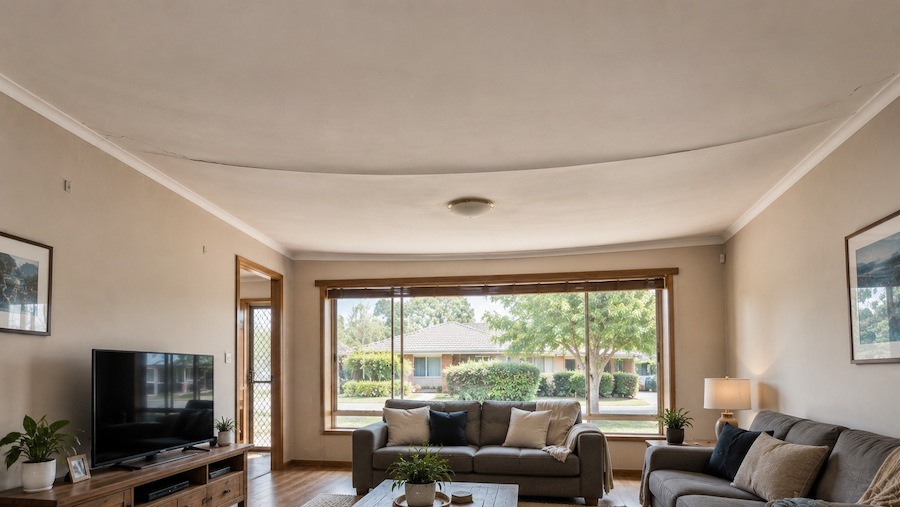
Many ceiling cracks are cosmetic, but a sagging ceiling usually indicates that the ceiling system has been compromised. This may be due to water damage, failed fixings, ageing materials, poor installation, or long-term deterioration.
A bowed ceiling crack is particularly concerning because it suggests the ceiling is no longer flat and level. Instead, the ceiling lining may be dropping under stress, creating both structural and safety concerns.
When ceiling materials begin to sag, they are often carrying more weight than they were designed to support. Water damage is a common cause, but ageing fixings and deteriorated materials can also contribute.
Ignoring a sagging ceiling can result in:
- Further cracking.
- Increased repair costs.
- Damage to furnishings and flooring.
- Mould growth.
- Partial ceiling collapse.
Any bowed ceiling crack or visible ceiling sagging should be professionally assessed as soon as possible.
Warning Signs That Require Professional Assessment
Not every ceiling crack requires immediate repair work, but certain warning signs suggest that further investigation is warranted.
The table below highlights the most important indicators.
| Warning Sign | What It May Indicate |
|---|---|
| Water stains | Roof or plumbing leak |
| Sagging ceiling | Material failure or water damage |
| Widening crack | Ongoing movement |
| Soft plasterboard | Moisture damage |
| Recurring crack | Unresolved underlying issue |
| Multiple new cracks | Ceiling system deterioration |
You should seek professional advice if you notice:
- A ceiling crack that continues growing.
- Multiple cracks are appearing across the ceiling.
- Water stains or dampness around the crack.
- Soft or swollen ceiling materials.
- Visible sagging.
- Cracks that repeatedly return after repair.
Identifying these warning signs early can help prevent further damage and reduce the extent of future repair work.
When Should You Call a Ceiling Repair Specialist?
A professional assessment is recommended whenever a ceiling crack appears to be worsening, shows signs of moisture damage, or occurs alongside sagging.
While many cracks are cosmetic, it is not always possible to determine the cause through a visual inspection alone. Hidden roof leaks, plumbing leaks, deteriorated fixings, and water-damaged plasterboard can all contribute to ceiling damage without being immediately visible.
Professional ceiling crack repair should focus on identifying the underlying cause before repairs begin. This approach helps ensure the repair lasts and reduces the likelihood of recurring damage.
Frequently Asked Questions
Is a ceiling crack always a structural problem?
No. Most ceiling cracks in Australian homes are cosmetic and result from normal building movement, settlement, or ageing materials. However, cracks that continue to grow or occur alongside sagging or water damage should be investigated.
Is a hairline crack in ceiling surfaces serious?
Usually not. A hairline crack in ceiling finishes is often caused by minor movement or material shrinkage. If the crack remains stable and there are no other symptoms, it is generally considered cosmetic.
What causes a crack in ceiling plaster?
A crack in ceiling plaster can develop due to settlement, seasonal movement, ageing materials, moisture damage, or deterioration of ceiling supports. The cause often depends on the location and characteristics of the crack.
Can water damage cause ceiling cracks?
Yes. Water weakens plasterboard and plaster ceilings, causing them to soften, swell, crack, and eventually sag. Moisture-related cracks are often accompanied by staining, bubbling paint, or damp patches.
What is a bowed ceiling crack?
A bowed ceiling crack occurs when the ceiling begins to sag or curve while cracking under stress. This can indicate water damage, failing fixings, or deterioration of the ceiling system and should be assessed promptly.
Will a ceiling crack come back after repair?
It can if the underlying cause has not been addressed. This is why effective ceiling crack repair involves identifying the source of the problem rather than simply patching the visible crack.
Get Ceiling Cracks Assessed
Most ceiling cracks are cosmetic and result from normal building movement, settlement, or ageing materials. Hairline cracks, plasterboard joint cracks, and minor settlement cracks are common in Australian homes and often pose little risk when they remain stable.
However, a ceiling crack that continues to grow, returns after repair, shows signs of water damage, or occurs alongside sagging may indicate a more serious issue. Understanding these warning signs can help homeowners address problems before they become more extensive and costly.
If you’ve noticed a ceiling crack, a crack in ceiling plaster, a hairline crack in ceiling finishes, or a bowed ceiling crack and need expert advice, Ceiling Repairs Perth provides professional services including ceiling inspections, ceiling crack repair, water-damaged ceiling repairs, and ceiling restoration services across Australia. Contact us today.
Ceiling Services That Can Help
If this sounds like your ceiling, here is how we can sort it.